
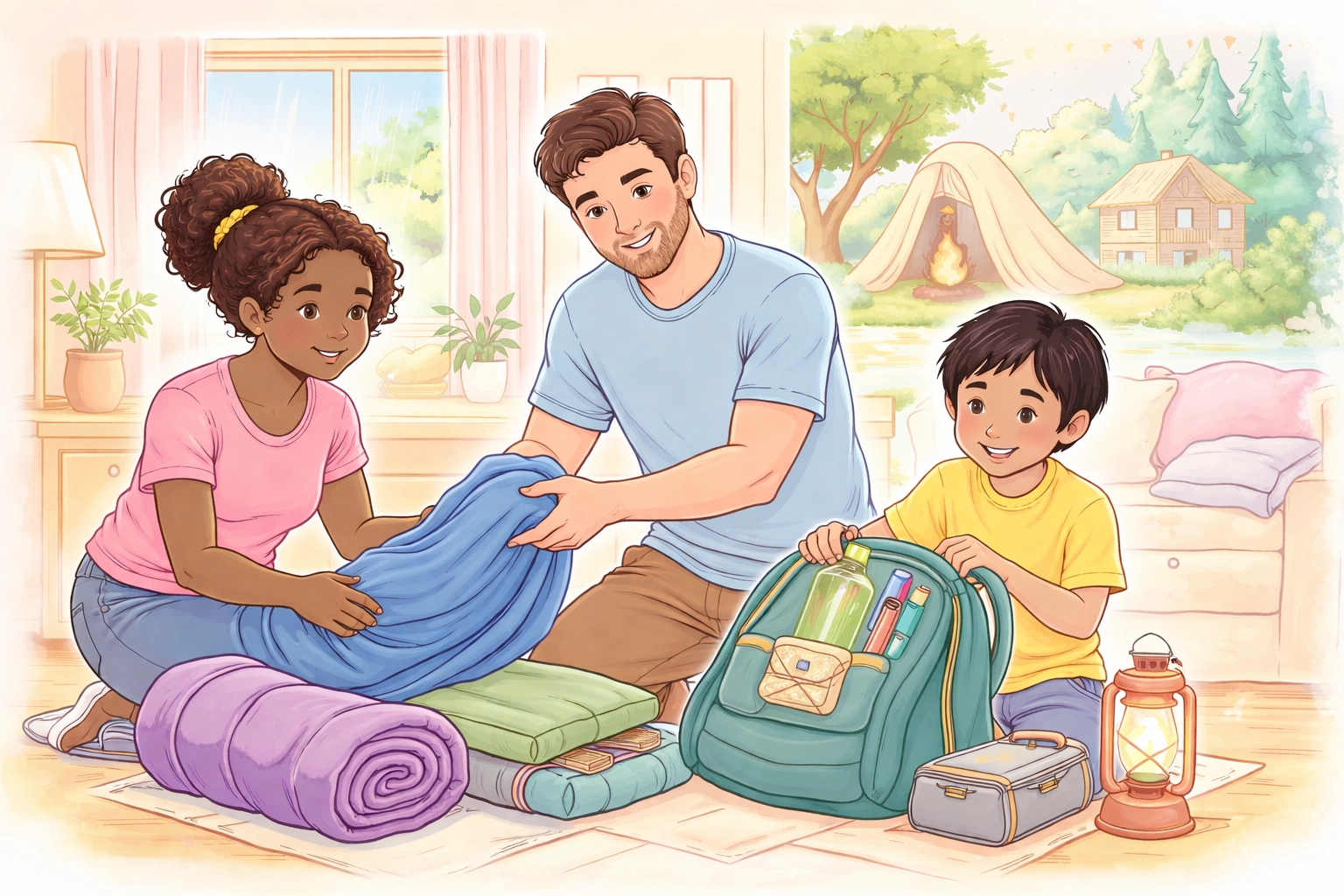
Your child's been invited to their first sleepover. Or maybe summer's approaching and they've been begging to go to sleepaway camp with their best friend. Your heart swells with excitement for them, and then immediately sinks.
What about the bedwetting?
If you're reading this, you already know the feeling. That knot in your stomach when your child hands you an invitation. The mental calculations: Can we avoid this? Should we make an excuse? What if someone finds out?
Here's what I need you to hear first: Your child deserves every childhood experience. Every pillow fight. Every late-night giggle session. Every campfire s'more. Bedwetting doesn't have to steal those moments.
A sleepover should be about making memories, not managing a mess.
As a pediatric pelvic health specialist, I've walked alongside hundreds of families navigating exactly this challenge. And I'm going to give you the complete playbook, the science, the strategies, and the word-for-word scripts, so your child can say "yes" to every adventure.
The Anxiety of the "Away Game": You're Not Alone in This Fear
Let's start by naming what's really happening here. This isn't just about wet sheets. This is about your child's social world, their sense of belonging, and their fragile, developing self-esteem.
Research published in the Journal of Pediatric Urology confirms what parents instinctively know: children with nocturnal enuresis (the clinical term for bedwetting) experience significantly higher rates of social anxiety, particularly around peer situations like sleepovers and camps[^1]. The fear of "getting caught" can be overwhelming.
And parents? You carry that weight too. You're managing your child's emotions while quietly panicking about logistics. You're googling "how to manage bedwetting at sleepovers" at midnight, hoping for answers.
Your fear is valid. Your child's fear is valid.
But here's the clinical truth that changes everything: bedwetting is incredibly common (affecting approximately 15% of 5-year-olds and 5% of 10-year-olds), it's not your child's fault, and it's absolutely manageable in "away" situations[^2]. The American Academy of Pediatrics emphasizes that nocturnal enuresis is a developmental condition, not a behavioral problem, not a sign of laziness, and certainly not something to be ashamed of[^3].
Your child isn't broken. They just need a game plan.

Secret Weapons: Discrete Bedwetting Protection for Sleepovers
Think of this as your child's undercover toolkit. The goal? Complete confidence with zero visibility.
Absorbent Underwear: Today's Options Are Game-Changers
Gone are the days of bulky, crinkly products that announced themselves. Modern absorbent underwear designed for older children and teens looks and feels remarkably like regular underwear. Brands now offer:
- Cloth-like exteriors that don't rustle
- Slim profiles that fit under pajamas undetected
- High absorbency that handles even heavy wetting
Pro tip: Let your child try on different brands at home first. Comfort and confidence go hand-in-hand.
Disposable Bed Pads: The Invisible Layer
Portable, waterproof bed pads are your secret MVP. These thin, disposable mats slip under the sleeping bag or sheets and contain any accidents without anyone being the wiser. They're:
- Quiet (no plastic crinkling)
- Easy to dispose of discretely in the morning
- Small enough to pack without taking up space
The Sleeping Bag Strategy
Here's a game-changer many parents don't know: waterproof sleeping bag liners exist. These slip inside regular sleeping bags and create a protective barrier while feeling completely normal to the touch. Your child sleeps in their regular bag, surrounded by friends, with built-in protection nobody can see.
Alternatively, some families layer a dark-colored towel at the bottom of the sleeping bag, if there's an accident, the towel absorbs it, and the exterior stays dry.
The "Undercover" Packing List: How to Pack So No One Notices
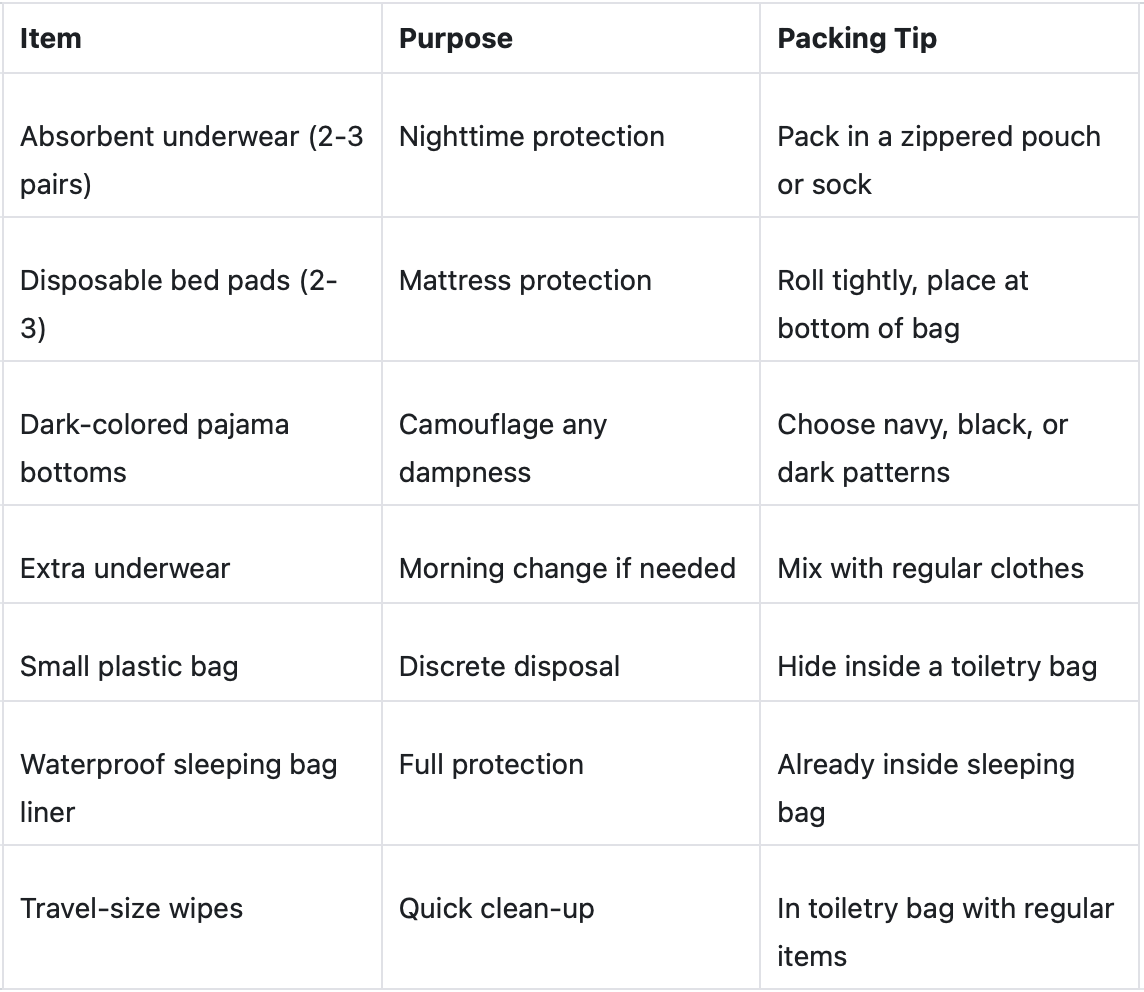
Packing for a bedwetting child heading to a sleepover or camp requires some strategic thinking. Here's your complete checklist for discrete, stress-free preparation:
The Essential Sleepover Packing List for Bedwetting
The Sleeping Bag Trick
This is the gold standard for sleepover bedwetting protection:
- Place a waterproof liner or pad inside the sleeping bag before leaving home
- Add a dark-colored fitted sheet or towel on top of the pad
- Roll the sleeping bag normally
When your child unrolls their bag at the sleepover, everything looks completely standard. The protection is invisible, built-in, and ready.
For Sleepaway Camp: Extended Packing
What should I pack for a child who wets the bed for sleepaway camp? Great question, camp requires more supplies and more strategy:
- Double your quantities: Pack enough absorbent underwear for every night plus extras
- Use mesh bags: As research suggests, mesh laundry bags allow damp items to breathe and prevent odors[^4]
- Include 13-gallon trash bags: Perfect for separating any wet items until laundry day
- Pack duplicates: Two sets of pajamas, extra sheets if bunks allow
- Bring a small flashlight: For discrete nighttime bathroom trips
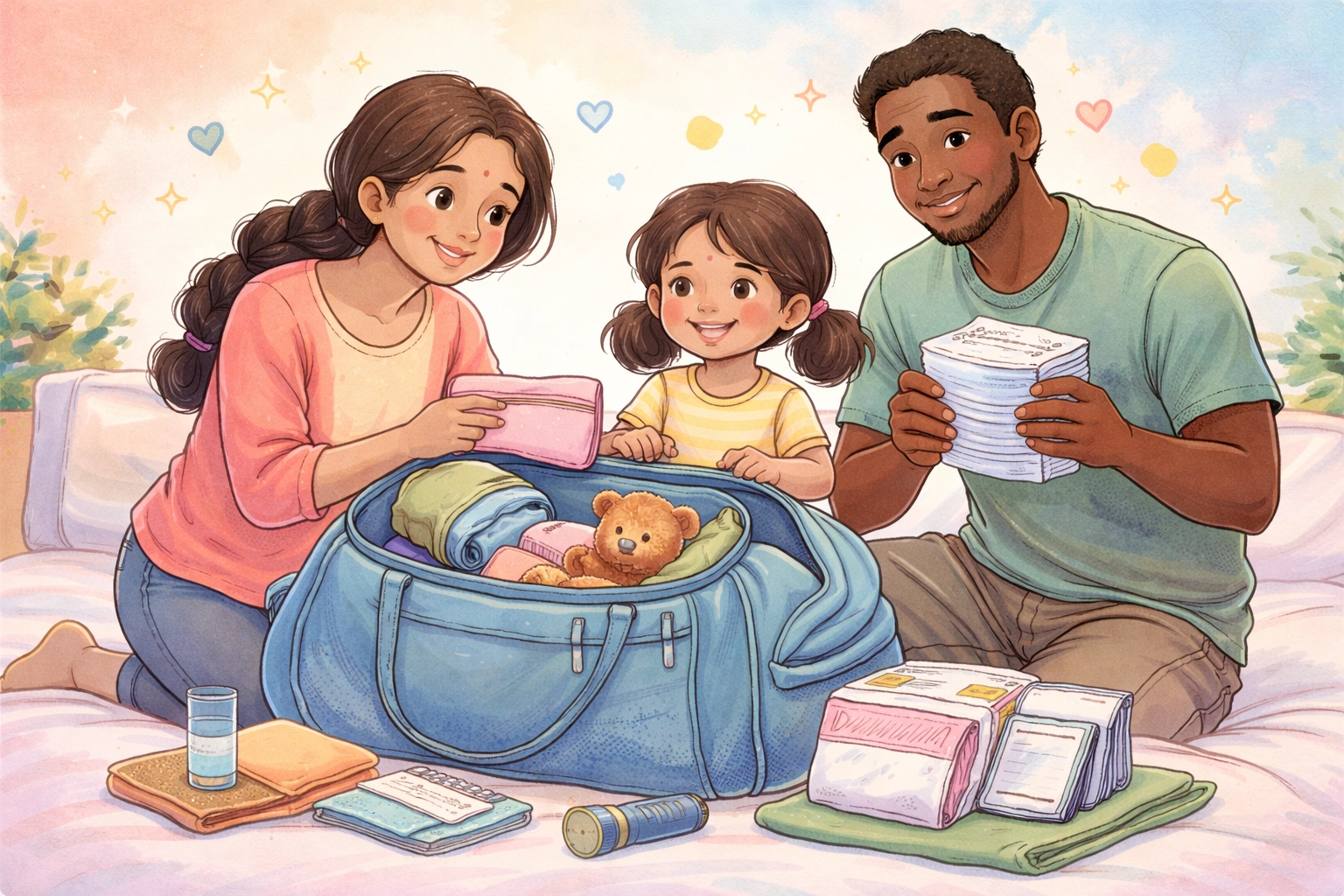
To Tell or Not to Tell? Navigating the Conversation
This is often the hardest part. Should you tell the host parent? The camp counselor? How much do you share?
When to Tell (And When It's Okay Not To)
For sleepovers at friends' homes:
The decision depends on your child's age, the severity of wetting, and your comfort level. Here's my clinical guidance:
- If your child is fully protected and confident, you may choose not to disclose. This respects your child's privacy.
- If accidents are frequent or heavy, a brief heads-up to a trusted host parent can provide backup support.
- Always tell if your child wants you to. Some kids feel safer knowing an adult is "in on it."
For sleepaway camp:
Most camps have experience with bedwetting, it's far more common than people realize. The Urology Care Foundation recommends informing camp medical staff or counselors so they can provide discrete support[^5].
Word-for-Word Scripts
Here's exactly what to say:
To a host parent (brief and casual):
> "Hey, just a quick heads-up, [Child's name] sometimes has nighttime accidents. They've got everything they need to handle it, but I wanted you to know in case anything comes up. They're a bit sensitive about it, so we try to keep it low-key. Thanks for understanding!"
To a camp counselor (professional and direct):
> "I wanted to let you know that [Child's name] is working through nighttime bedwetting. It's a developmental thing their pediatrician says they'll grow out of, but in the meantime, they have supplies for overnight protection. Could you help make sure they have privacy to manage this? We really appreciate the support."
Script for your child to use (if they want to tell a friend):
> "Sometimes my body doesn't wake me up at night when I need to pee. It's no big deal, lots of kids have it. I just wear special underwear so it's not a problem."
Empower your child with language, but never force disclosure. Their privacy is their right.
Maintaining the Routine: Keeping Progress on Track Away from Home
One concern I hear constantly: "We've been making so much progress at home, will a sleepover set us back?"
The short answer: Not if you plan ahead.
Hydration Rules Still Apply
If you've been following a structured hydration approach, like the methods we teach in Bladder Breakthrough, you know that when your child drinks matters as much as how much.
Sleepover hydration strategy:
- Front-load fluids during the day
- Remind your child to drink plenty of water at dinner, then slow down 1-2 hours before bed
- Skip caffeine and sugary drinks in the evening (soda at sleepovers is a bedwetting trigger!)
Pack a water bottle your child can track their intake with, even away from home.
TheraPlay™ Drills On-the-Go
If your child has been practicing pelvic floor exercises or bladder training through gamified programs like our Bladder Defender app, those skills travel with them.
Before the sleepover, remind your child:
- "Do your quick squeeze exercises before bed, just like at home"
- "Try using the bathroom right before you get in your sleeping bag"
- "Remember your breathing exercises if you feel nervous"
Consistency builds habits. Even one night of practice reinforces the brain-bladder connection.
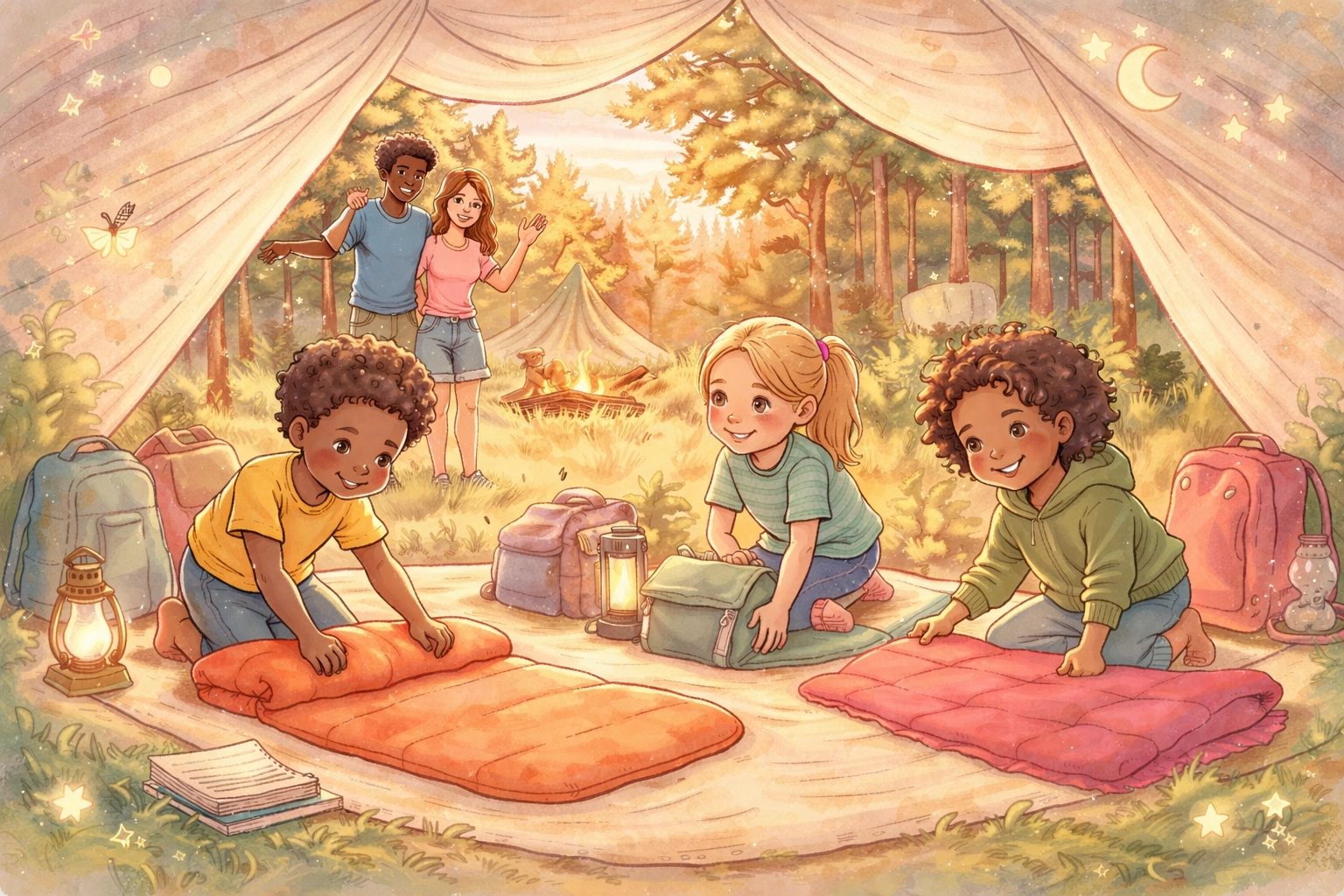
The "Home-Base" Dry Run: Practice Makes Confident
Here's my top recommendation for any child anxious about sleeping away from home: do a dress rehearsal first.
How to Practice the "Away" Routine at Home
- Set up a "pretend sleepover" in the living room or a sibling's room
- Use all the same supplies they'll have at the real event, sleeping bag, absorbent underwear, pajamas
- Run through the bedtime routine exactly as they'll do it away from home
- Practice the morning routine too: how to handle any wet items discretely, how to change, where to put supplies
This removes so much anxiety. Your child knows exactly what to expect because they've already done it.
Gradual Exposure for Camp-Bound Kids
If sleepaway camp is the goal, build up to it:
- Start with a sleepover at a close relative's home
- Progress to a trusted friend's house
- Try a one-night "practice camp" or outdoor sleepover in the backyard
- Then tackle the multi-night camp experience
Each successful experience builds confidence and proves to your child: I can do this.
Frequently Asked Questions: Your Burning Questions Answered
How do I hide bedwetting at a sleepover?
The goal isn't really "hiding", it's discrete management. Use absorbent underwear that looks like regular underwear, pack supplies in unmarked pouches mixed with regular items, and use the sleeping bag trick (waterproof liner inside, dark towel layer). Your child changes into their protection in the bathroom during normal bedtime prep, and no one is the wiser.
What should I pack for a child who wets the bed for sleepaway camp?
Pack absorbent underwear for every night plus 3-4 extras, disposable bed pads, a mesh laundry bag for any damp items, dark pajamas, extra regular underwear, plastic bags for discrete disposal, travel wipes, and a small flashlight. Double-check with the camp about laundry availability and mattress protection policies.
Should I tell the host parent my child wets the bed?
This is a personal decision that depends on your child's comfort and the severity of their bedwetting. If your child is well-protected and confident, disclosure isn't required. If accidents are more likely or your child wants backup support, a brief, casual conversation with a trusted host parent can help. Always prioritize your child's feelings about their own privacy.
Can my child go to sleepaway camp if they still wet the bed?
Absolutely yes. Thousands of children with bedwetting attend sleepaway camp every summer. Most camps have protocols for supporting these campers discretely. Inform the camp medical staff, pack appropriate supplies, and prepare your child with their "away" routine. Bedwetting should never be the reason your child misses out on an incredible experience.
The Bottom Line: Adventures Await
Your child's bedwetting is a chapter, not the whole story. With the right preparation, discrete tools, and practiced routines, sleepovers and sleepaway camp become what they should be: adventures, not anxieties.
The pillow fights, the campfire songs, the inside jokes made at 2 AM, those memories belong to your child too.
Ready to build lasting confidence and work toward dry nights? Explore our complete gamified bedwetting solutions designed to make progress fun. Because every child deserves to say "yes" to the invitation.
A sleepover should be about making memories, not managing a mess. Now you have the playbook to make it happen. 💪
References & Further Reading
[^1]: Yeung, C.K., et al. (2006). "The psychological impact of nocturnal enuresis on children." Journal of Pediatric Urology, 2(3), 169-177.
[^2]: American Academy of Pediatrics. (2024). "Bedwetting in Children." HealthyChildren.org. https://www.healthychildren.org/English/health-issues/conditions/genitourinary-tract/Pages/Bedwetting.aspx
[^3]: Nevéus, T., et al. (2020). "Management and treatment of nocturnal enuresis: an updated standardization document." Journal of Pediatric Urology, 16(1), 10-19.
[^4]: American Camp Association. (2023). "Preparing Your Child for Sleepaway Camp." https://www.acacamps.org/
[^5]: Urology Care Foundation. (2024). "Bedwetting (Nocturnal Enuresis)." https://www.urologyhealth.org/urology-a-z/b/bedwetting
Related Reading from Bladder Breakthrough:
- Why Hydration Is the Unsung Hero in Conquering Pediatric Incontinence
- Nighttime Ninjas: Supporting Children Through the Journey of Bedwetting
- The Game Zone: Turning Accidents into Achievements